
LOCK REKEYING
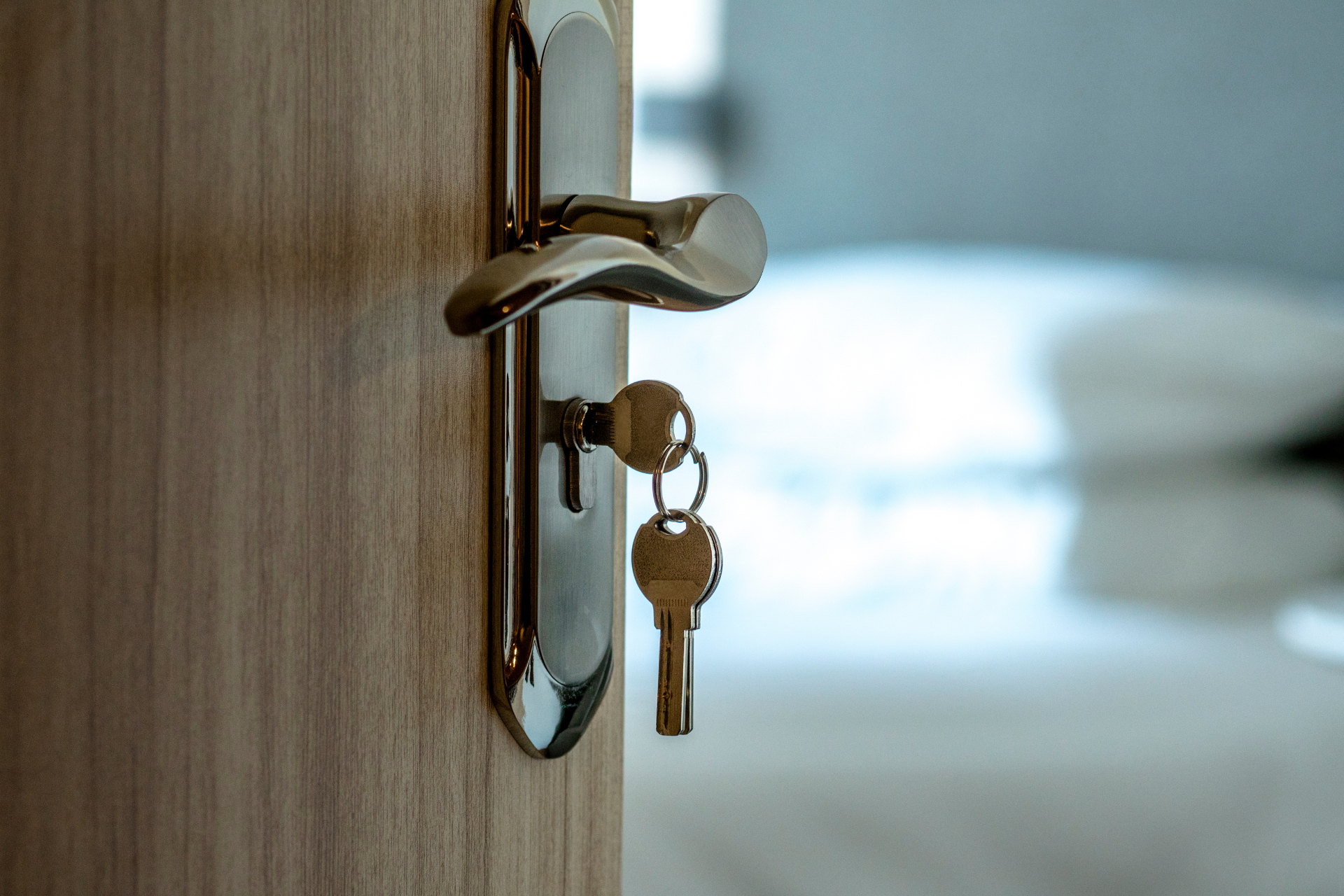
Need to Change Who Has Access?
You may not need to replace your entire lock just because you need a different key. Lock rekeying changes the internal configuration of a compatible existing lock so it works with a new key.
This can be a convenient option when you want to make previous keys unusable, need to issue new keys, or simply want to update who has access to your home or property.
LOCK REKEYING MAY BE RIGHT FOR YOU IF:
You’ve recently moved into a home
Previous occupants may still have keys
Your keys have been lost or unaccounted for
You want to change who has access
You need new keys for existing locks
You want to keep your current lock hardware
Common Reasons to Rekey Your Locks
Whether you've moved, lost a key, or need to update who has access, rekeying can provide a practical way to regain control of your existing locks.
MOVING INTO A NEW HOME
You may not know who has copies of the existing keys. Rekeying can help you start with new keys and updated access.
LOST KEYS
If a key has been lost and you’re concerned about who may have access, rekeying can be an option for compatible locks.
CHANGING ACCESS
When people who previously had access no longer need it, rekeying can help update the keys used by your existing locks.
SHARED OR RENTAL PROPERTY
When occupancy or access changes, rekeying can help establish a new set of working keys.
How Lock Rekeying Works
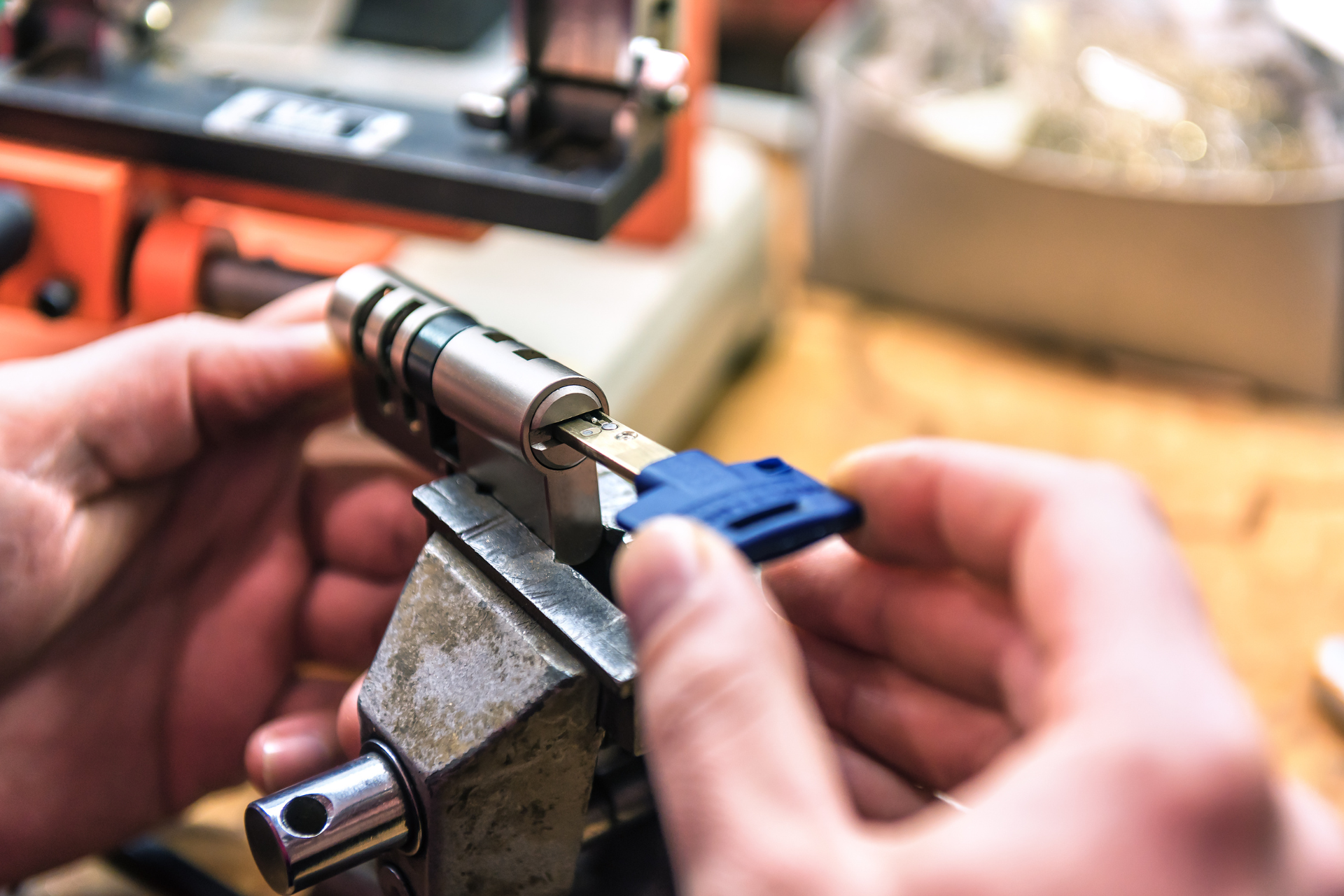
Rekeying changes the internal configuration of a compatible lock so that a new key operates it instead of the previous key.
Assess the Existing Lock
We first determine whether your existing lock is compatible with rekeying and whether the hardware is in suitable condition to keep using.
Rekey the Lock
The lock’s internal configuration is changed so the previous key will no longer operate the lock.
Set Up the New Key
A new key is provided to operate the rekeyed lock, giving you updated key access to the existing hardware.
Rekey Multiple Locks When Appropriate
Depending on the type and compatibility of your locks, multiple locks may be rekeyed to work with the same key.
Frequently Asked Questions
Before you call, get answers to the questions that matter most—from choosing the right service to understanding what to expect, how long it may take, and what information you’ll need.
Do I need to replace my entire lock, or can you just change the key?
If your existing lock is compatible and in suitable condition, rekeying may allow you to keep the current hardware while changing which key operates it.
Can you rekey all of my locks to work with one key?
Depending on the type and compatibility of your locks, multiple locks may be rekeyed to work with the same key.
Can you rekey my locks if I lost my keys?
Yes, rekeying may be an option for compatible locks when a key has been lost or is no longer accounted for, helping prevent the old key from operating the lock.
Can you rekey my locks if I lost my keys?
Yes, rekeying may be an option for compatible locks when a key has been lost or is no longer accounted for, helping prevent the old key from operating the lock.
Can you rekey both residential and commercial locks?
Ka'u Locksmith Services can assess compatible locks in residential and commercial properties to determine whether rekeying is an appropriate solution.
Can rekeying make my old keys stop working?
Yes, when a compatible lock is properly rekeyed, the previous key will no longer operate the lock and a new key will be used instead.

What to Expect From our Service
- Your existing locks are assessed
- Compatible locks are rekeyed
- Previous keys are made unusable on the rekeyed locks
- New keys are provided
- Multiple compatible locks may be keyed alike
Every rekeying job is different depending on the number, type, and condition of the locks, but the goal is simple: give you updated key access without replacing suitable existing hardware.
Ready to Change Your Lock Keys?
Let us know what you need, and we’ll help you determine whether rekeying is the right option.